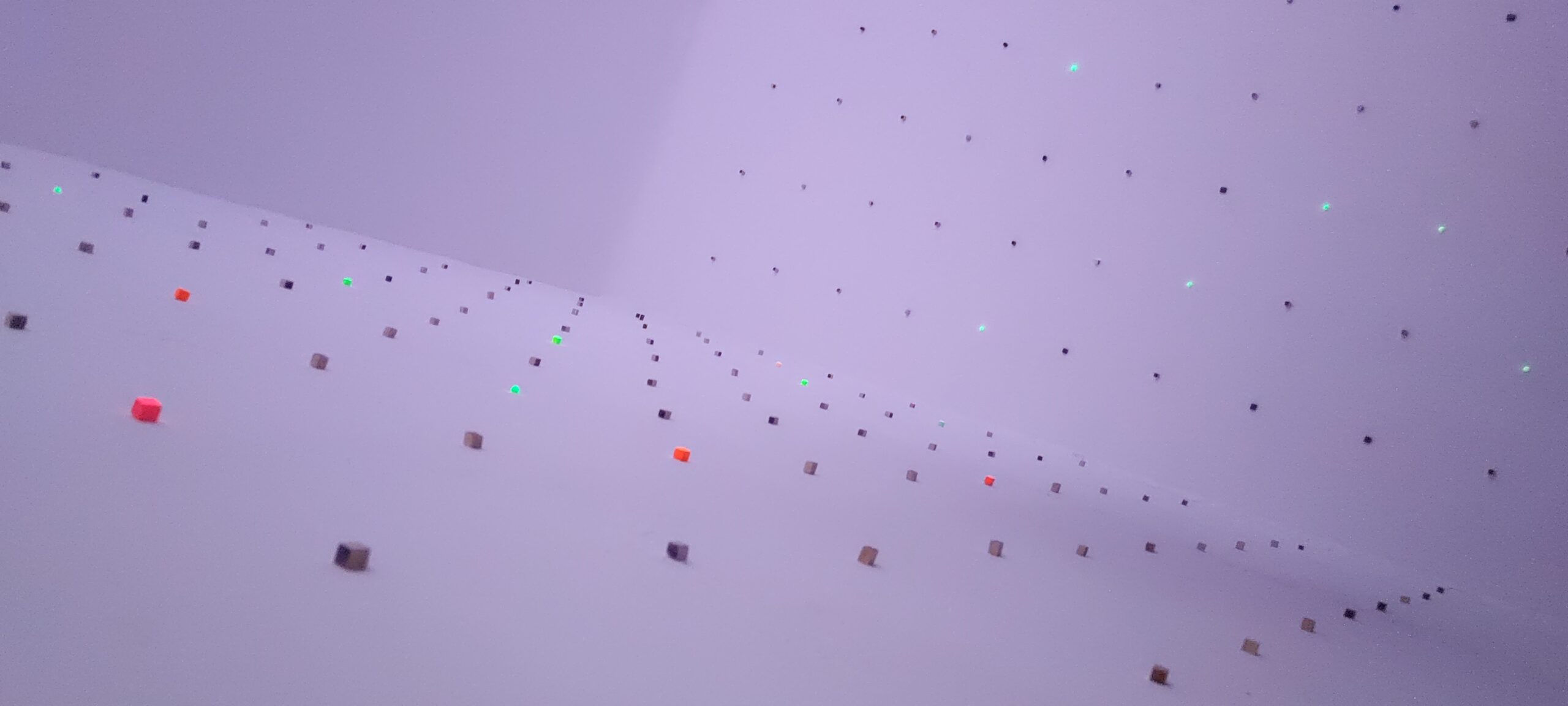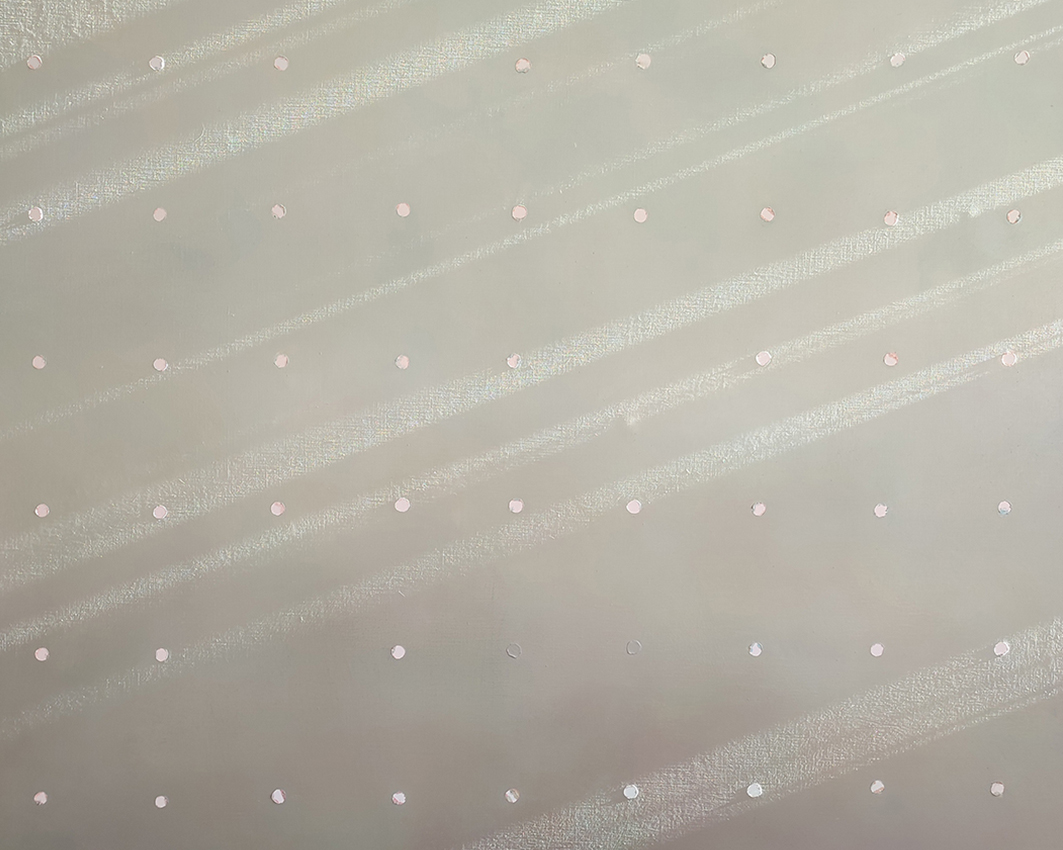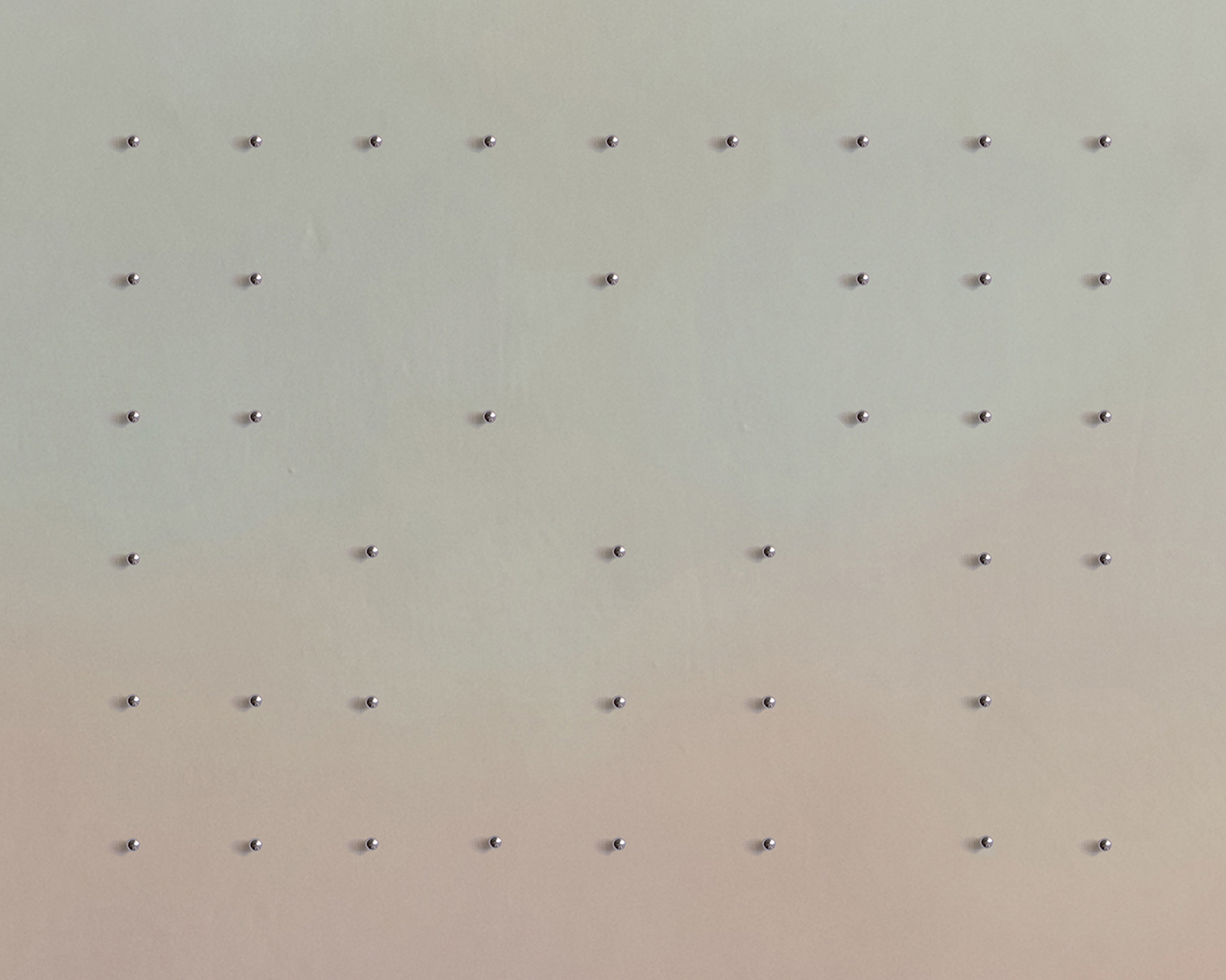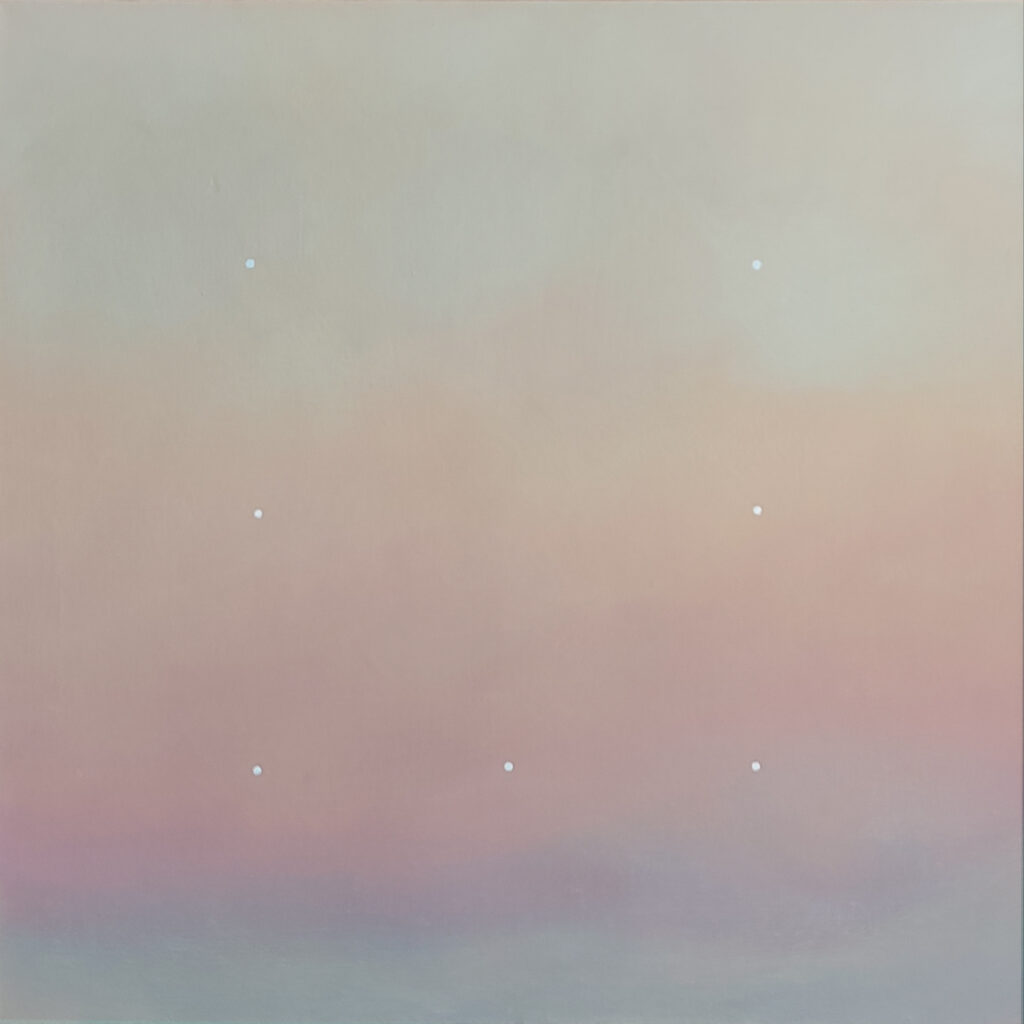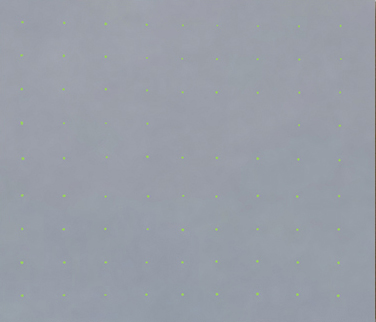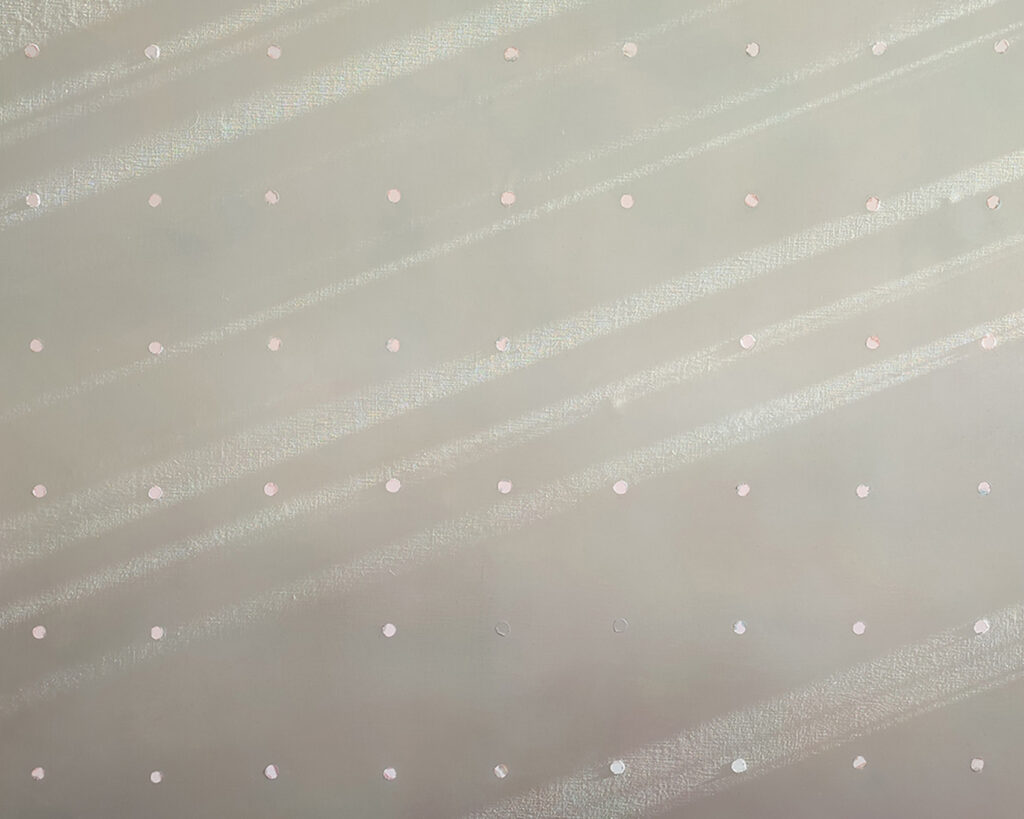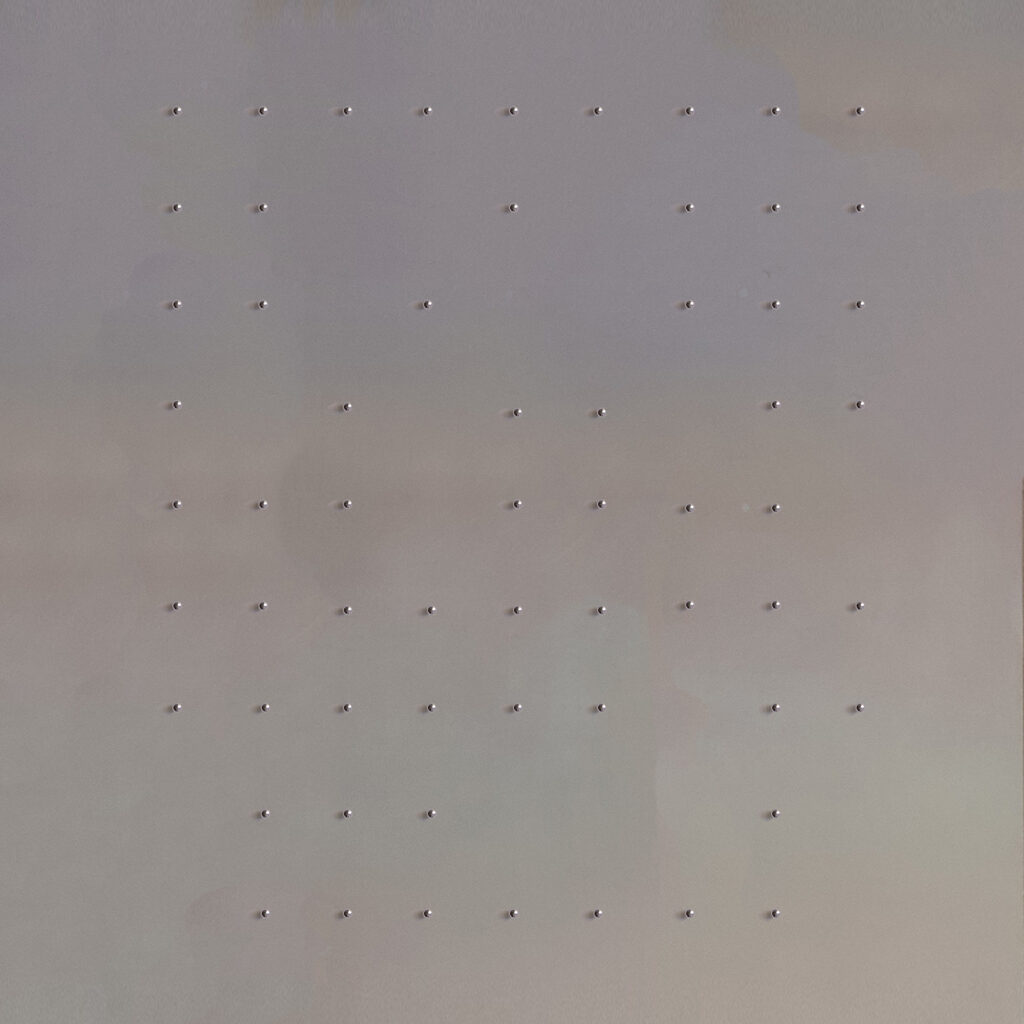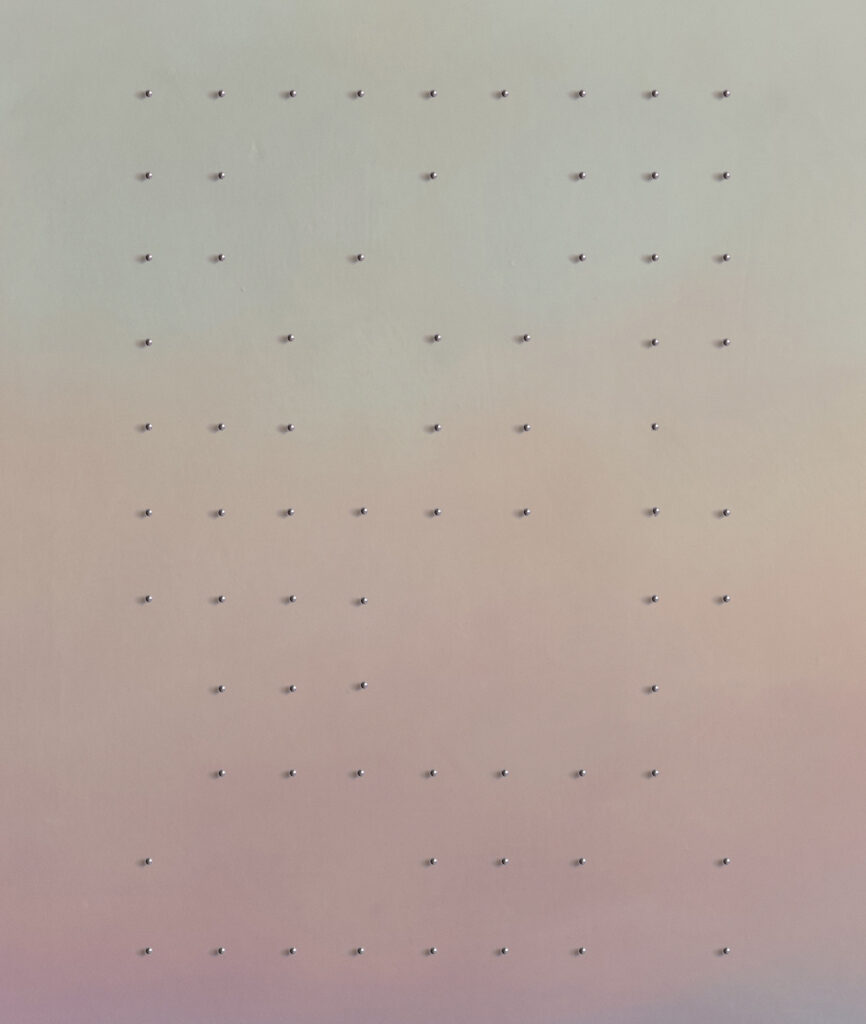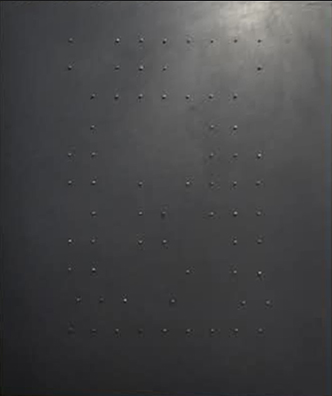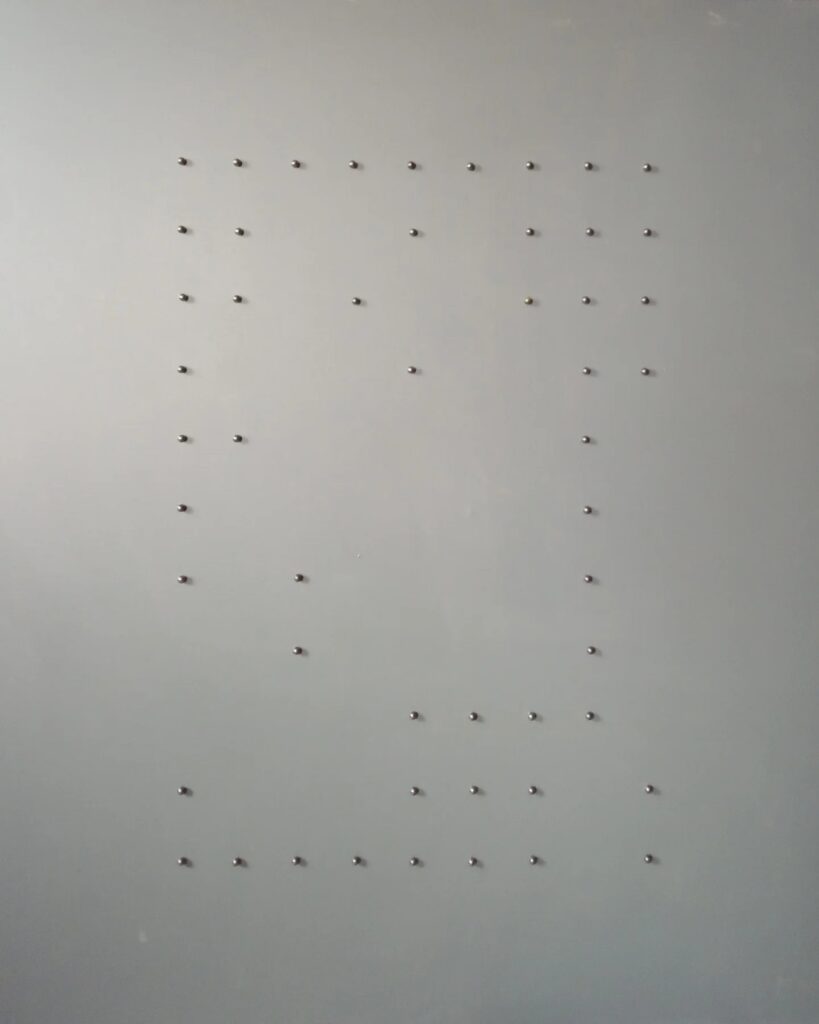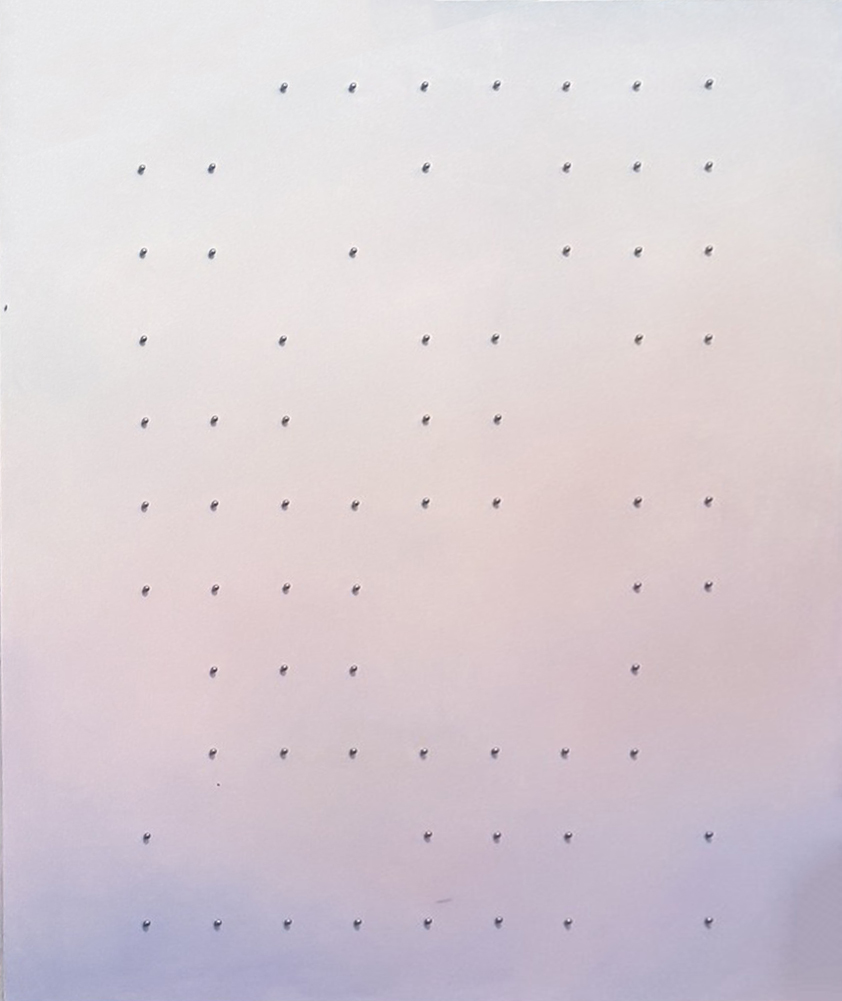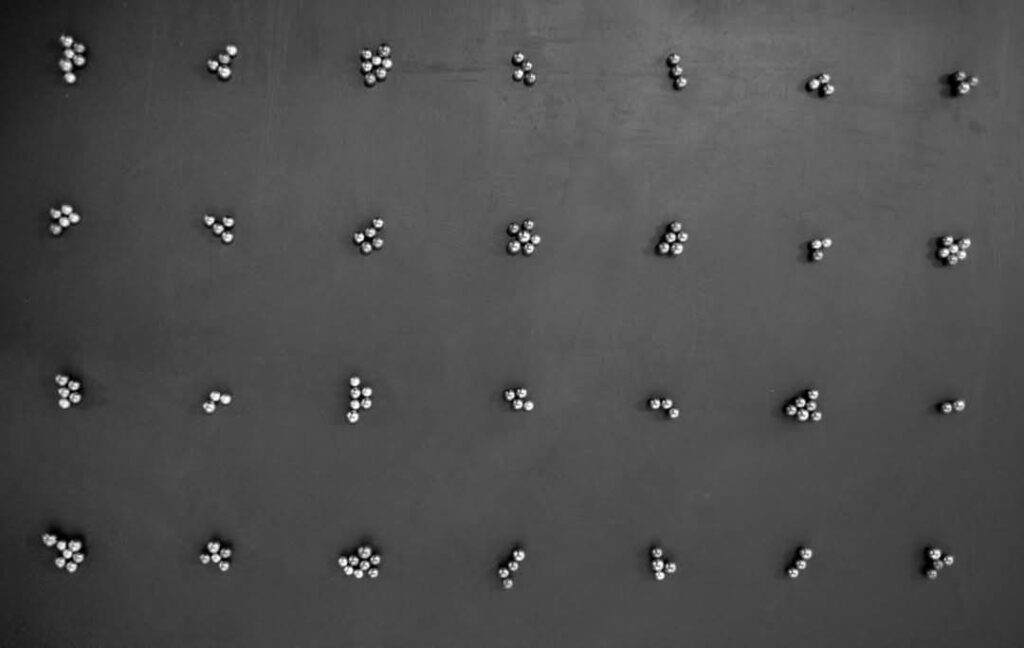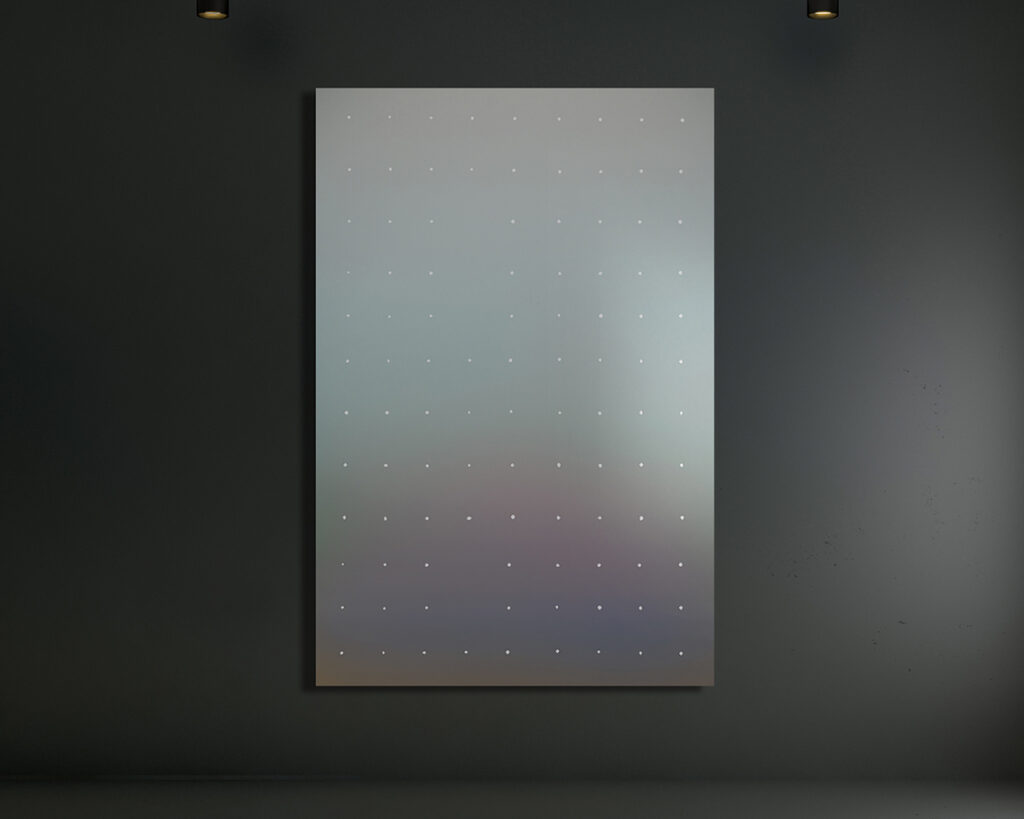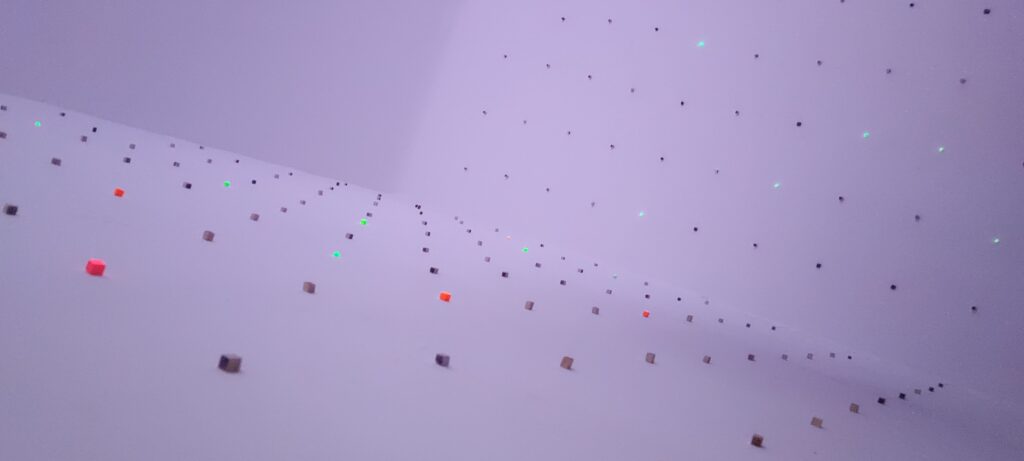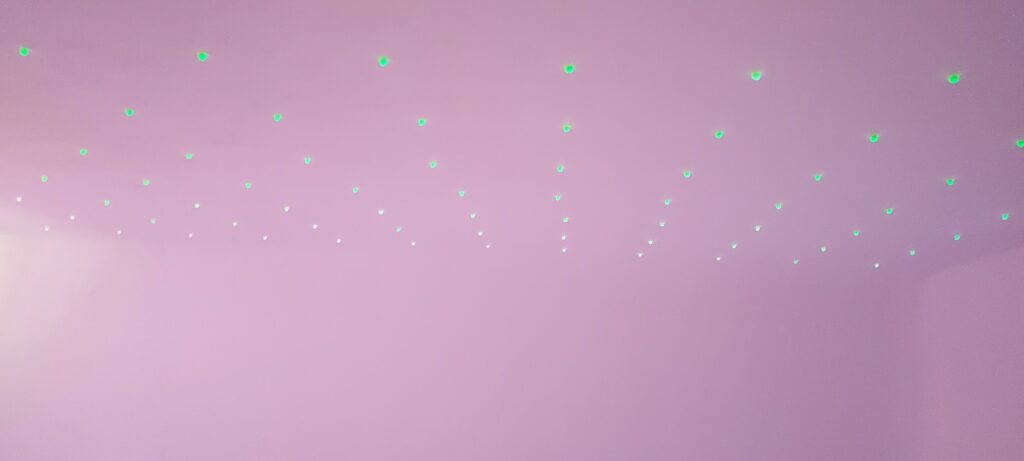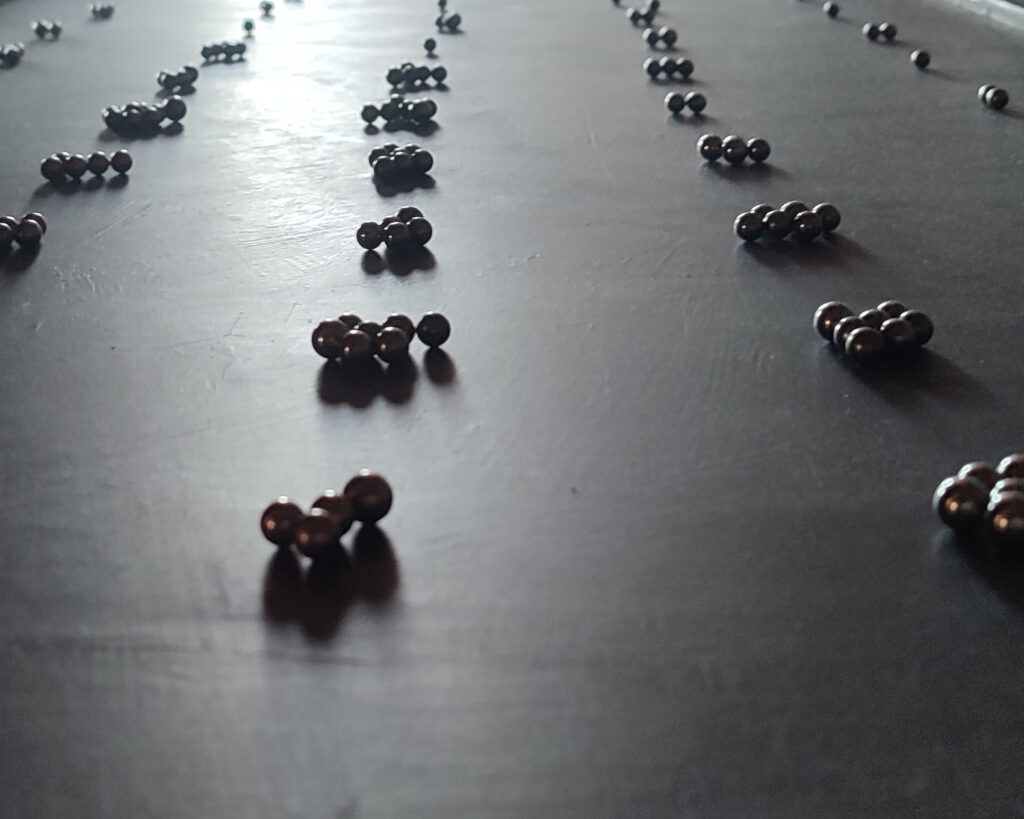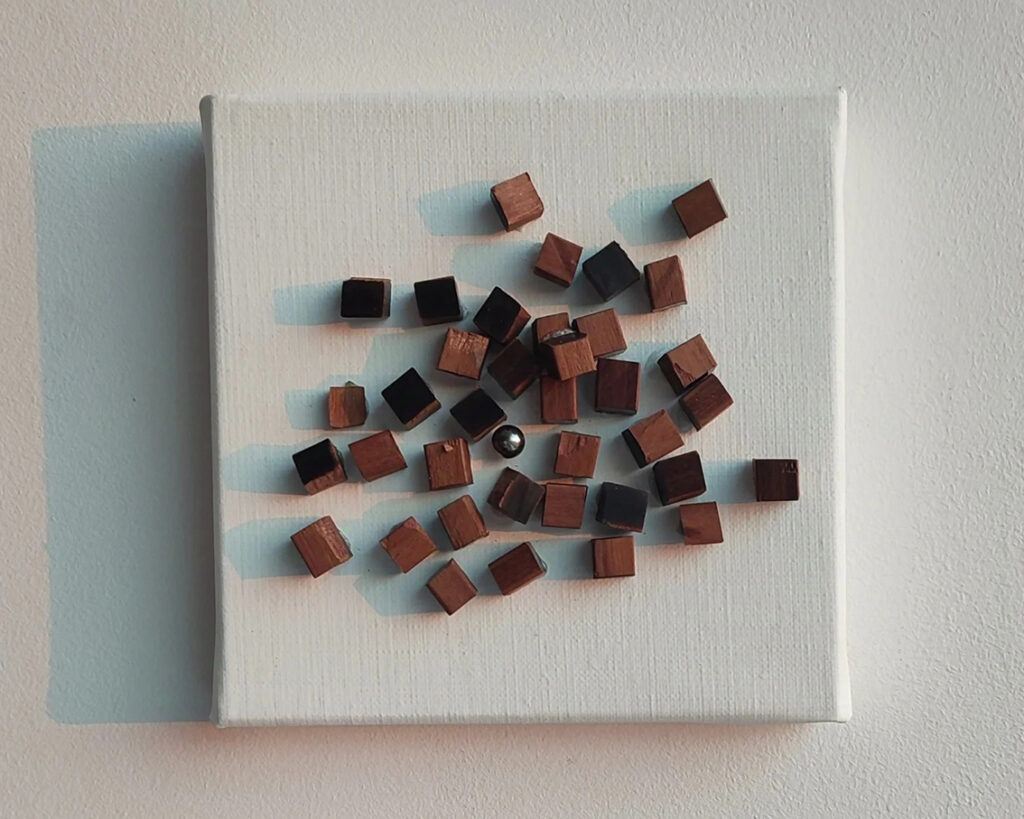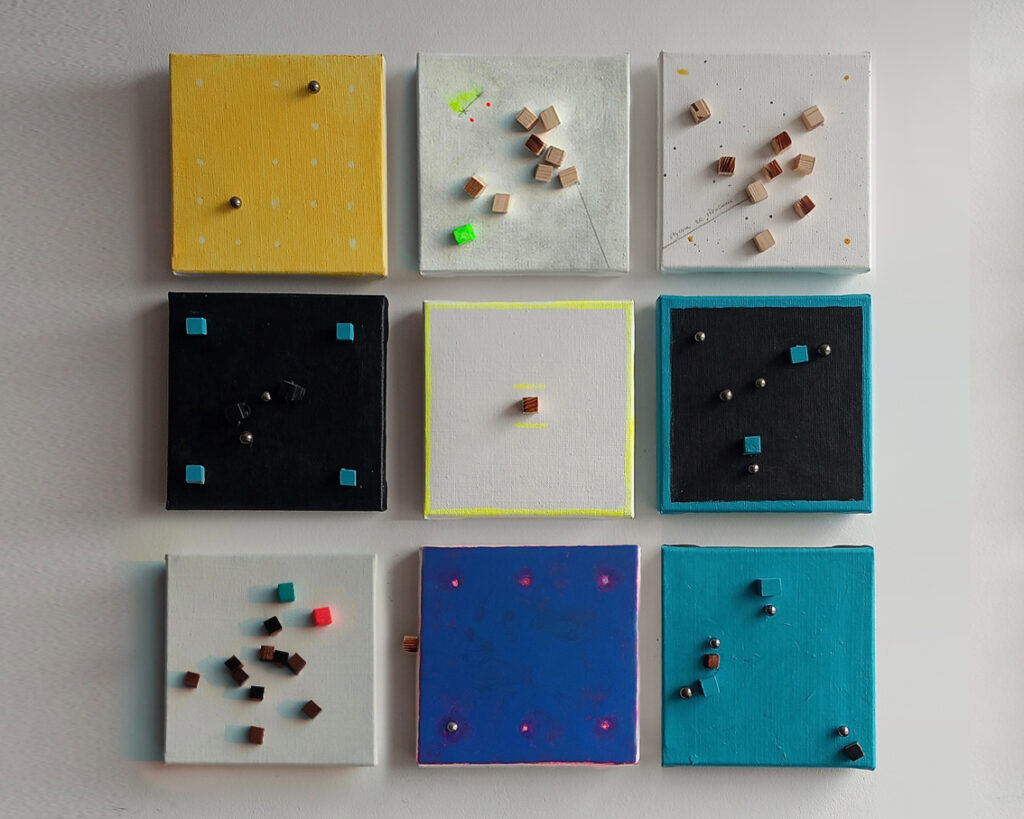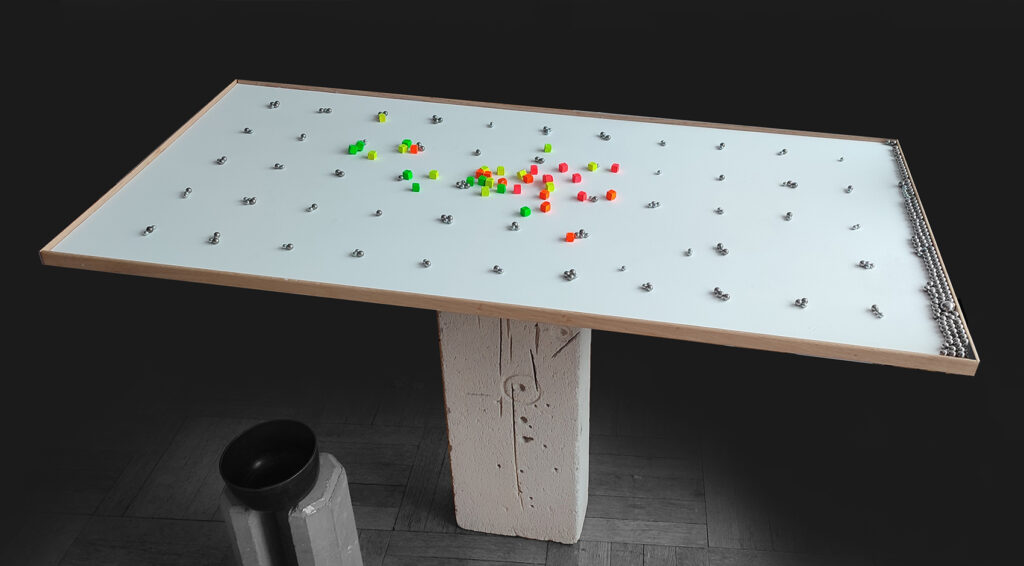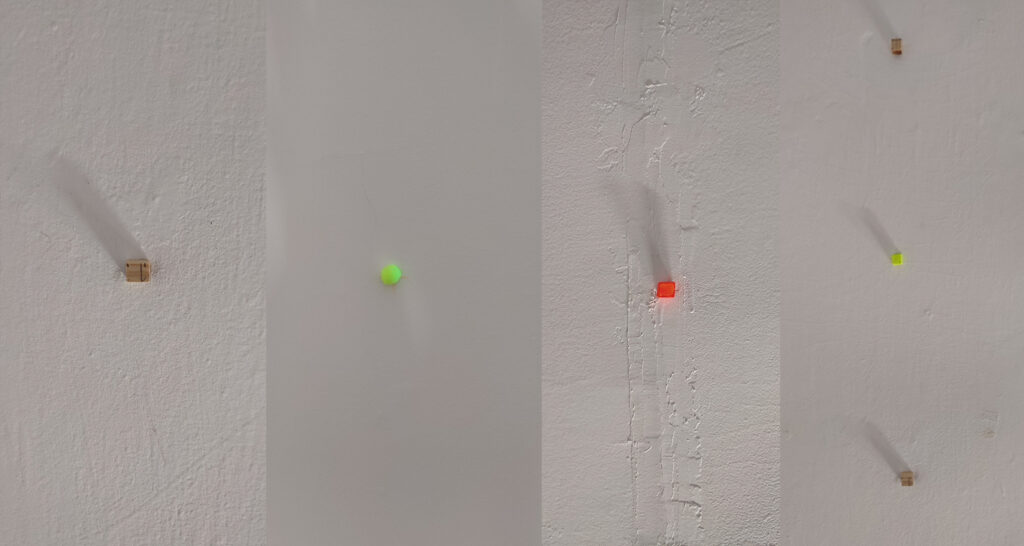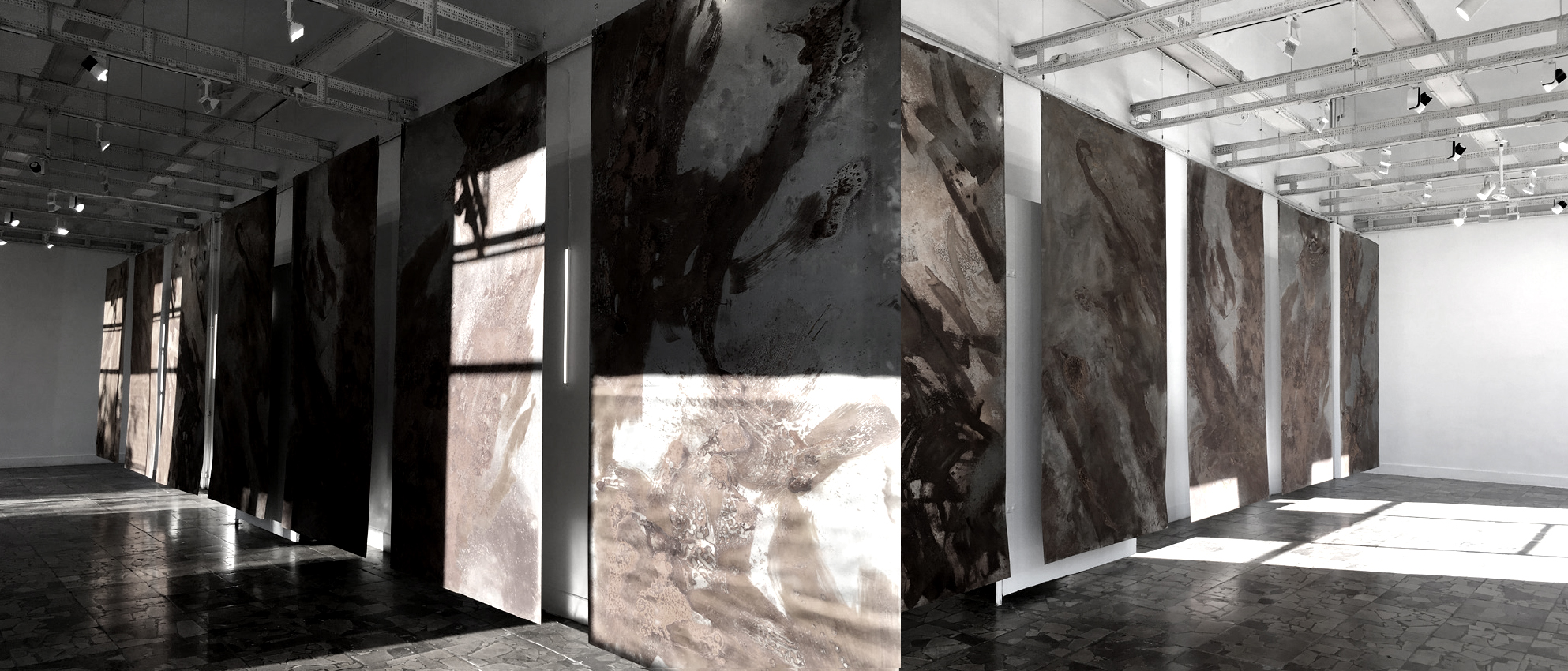
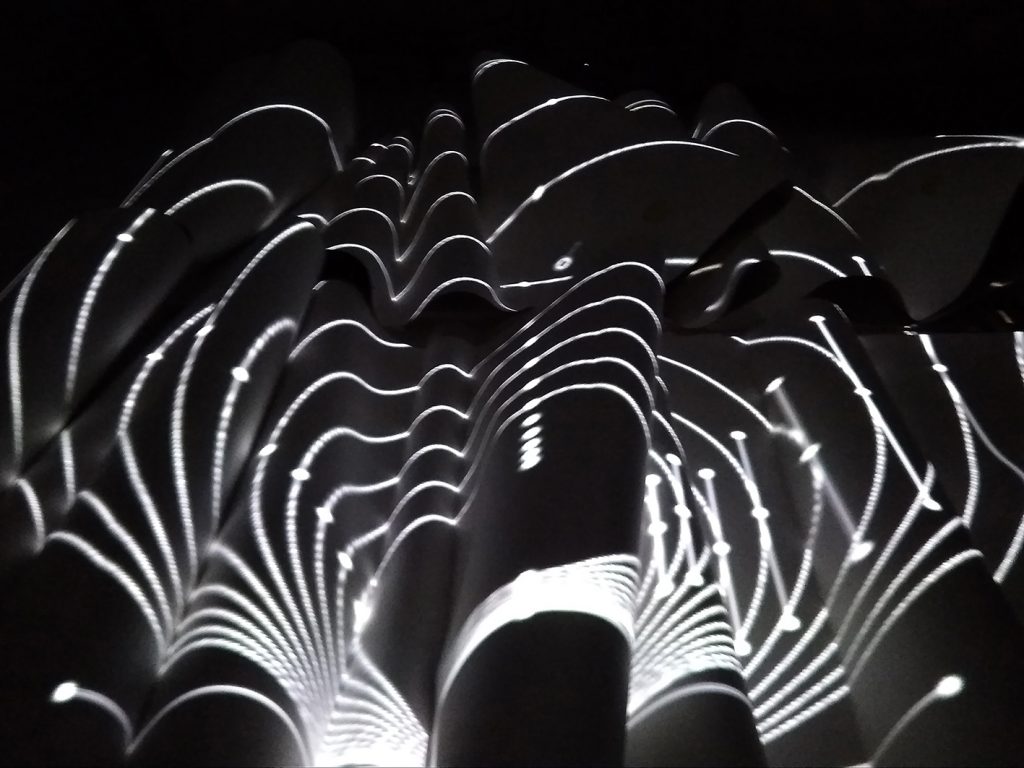
The Continuum is an extension of a detail of the series the Transitional States of Mind, where its detail has been further elaborated. It is in this work that I focus on expressing the depth of a physical parameter, usually perceived as present within a painting. In the Continuum, the plane of depth becomes an infinite fold of space (the work is a fragment of theoretically indefinite continuum of this form), which sometimes folds around itself, creating whirls and implantations, condensing the plane in an additional dimension – its internal dimension.
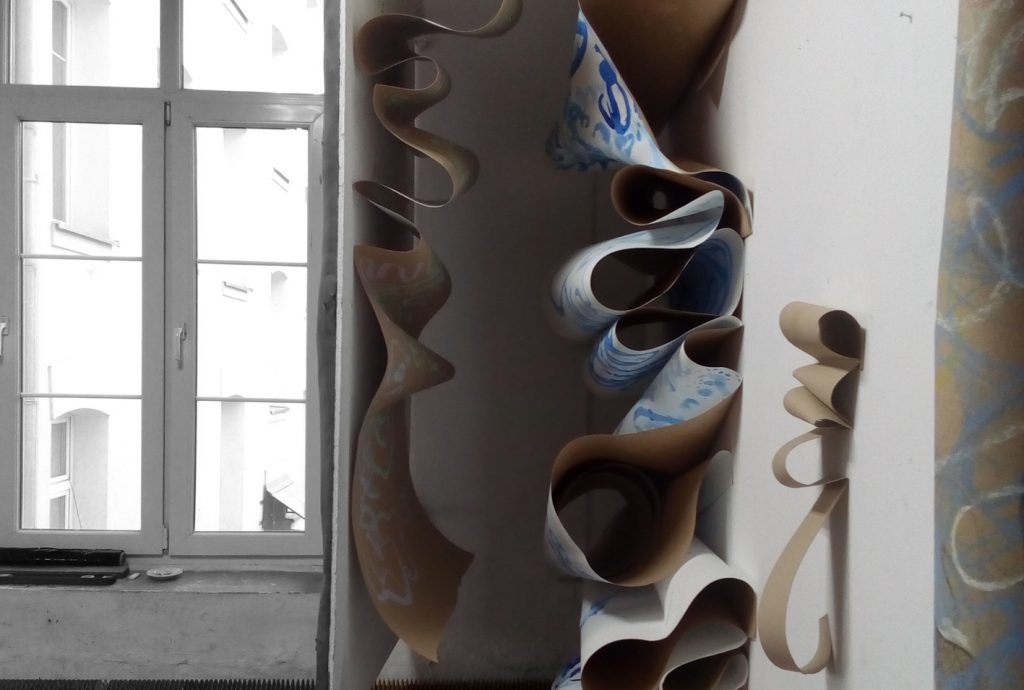
The infinity of the Continuum takes the form of a fold, which ‘exceeds its frames’ of belonging to its function or that which creates it, what is hidden under the fold of material, like its body, construction or structure. It symbolises the existence gaining its autonomy, slowly becoming ruled by laws different then in the case of being subjugated or ancillary to the structural form it takes. Deleuze in his baroque analysis of a fold, starts with a description of an element that is independent in aesthetic terms and also as regards its emotional impact. He suggests the necessity for the painting to leave its framework and become sculpture in order to make this effect fully evident.60 Such peculiar phenomenon may be observed in the work Non-Total Continuum, where the layered, flamboyant element – the fold – has left plane and ventured into three-dimensions. We are observing a fold, which is the basic element of baroque painting which emancipated, and which allows its matter to evolve along artistic continuum, then to pierce through, breaking into the third dimension, and to reach further the phase of façade61. The lateral development of a painting, as described by Deleuze, constitutes the process of surpassing subsequent frames. It is worth noting that after surpassing a single frame, it remains within the next one, retaining its nature as Representation, an illustration or trompe-l’oeil, being the proof of an absent object to be present?
This particular representation refers to the question of infinity and personality that comes into being the moment when the linear fold of a painting becomes embedded. Curved edges create a dependent shape and in the areas hidden inside the fold, the picture is not represented at all. Can we see the whole picture? What does representation refer to? Which element of the Continuum constitutes a representational illusion and which one – the reality? What is present?
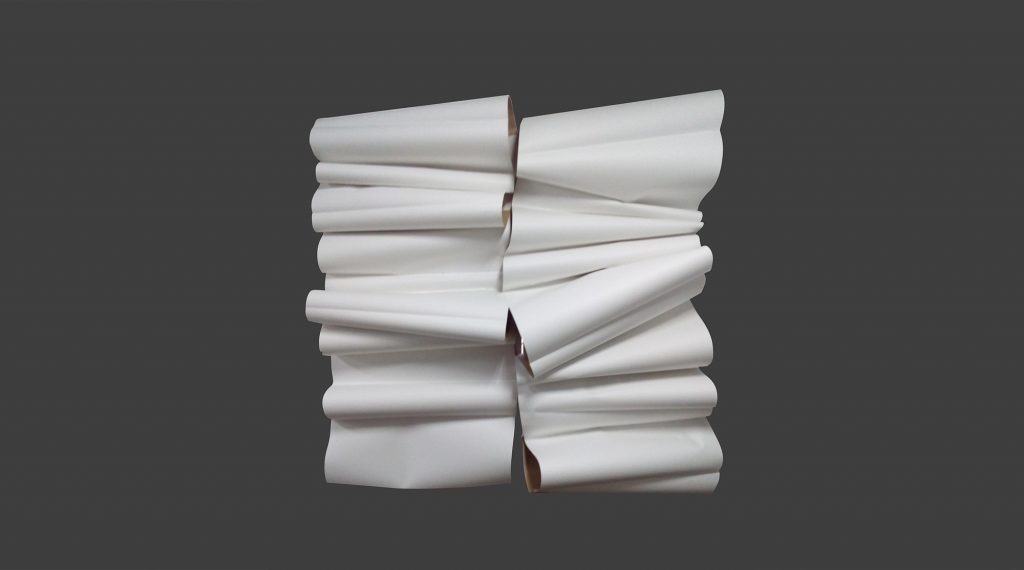
The Continuum, despite the properties of a relief that it has, remains a plane or a flat surface of illusion and hallucination, the area suggesting the presence of a non-existent form. Simultaneous spatial representation is adjacent to a formal curve. Compression and organic fragmentation of the picture refers to the process of forgetting and inaccurate process of coding in one’s memory, binding it with the physical spatial aspect and the phenomenon of being adjacent. A painting is a kind of sign, a trace or a symbolic indication. It constitutes a visual phenomenon in a layered and opaque plane.
The relationship of visible and hidden picture is not symmetric, due to the inadequacies that appear, the derivatives of primary curve distortion. Any further layer of the fold, as well as its subsequent creases, are similar to the levels or steps leading slowly into the depths of cognition/chaos. Theoretically, the fold can infinitely unfold into the wider continuum of experience and a never-ending variation of its interpretation or an infinite number of points of reference.